

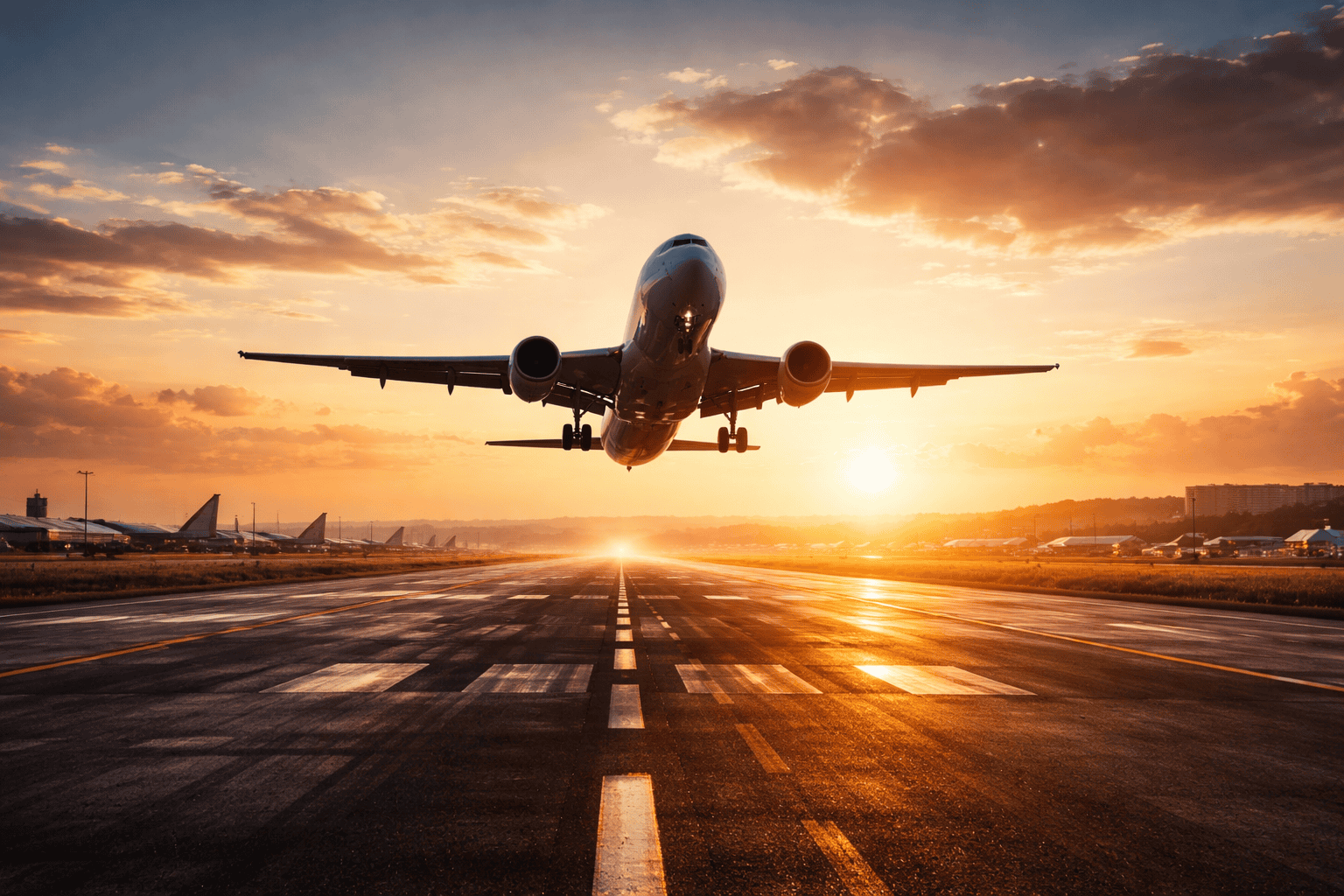

For much of the past year, the tourism industry has been celebrating a simple message: travel is back.
Airports are busy again. Hotels are reporting strong bookings. Destinations that once stood eerily quiet during the pandemic are once again filled with visitors. Global tourism numbers have largely recovered, reaching levels not seen since before COVID-19 brought international travel to a standstill.
At first glance, the recovery appears remarkable.
After one of the most severe disruptions in modern travel history, the tourism sector has rebounded with surprising speed. Millions of travelers have returned to the skies, and destinations from Southern Europe to Southeast Asia are once again welcoming guests in large numbers.
Yet beneath the optimistic headlines lies a more complicated reality.
The world tourism is returning to in 2026 is not the same one it left behind.
Global travel now operates in an environment shaped by geopolitical tensions, rising energy costs and increasing economic uncertainty. While demand for travel remains strong, the systems that support global tourism are becoming more fragile.
Two major armed conflicts are currently reshaping global aviation routes. The war in Eastern Europe continues to restrict access to large portions of airspace, forcing airlines to redesign flight paths across the continent. At the same time, instability in the Middle East has already disrupted key aviation corridors and forced carriers to reroute flights between Europe and Asia.
These disruptions may appear distant to travelers, but they have immediate consequences.
Modern aviation depends on a carefully balanced global network. When airspace closes in one region, aircraft must take longer routes, burn more fuel and operate at higher cost. Even small changes ripple across airline schedules and pricing structures.
Fuel prices add another layer of pressure.
Aviation remains highly sensitive to fluctuations in oil markets, and fuel is one of the largest expenses airlines face. When energy prices rise, ticket prices often follow. Airlines typically operate on narrow profit margins, leaving little room to absorb sustained cost increases.
Travel itself is already becoming more expensive.
Hotel prices have climbed steadily in many destinations as operators deal with higher labor costs, rising energy bills and inflation throughout their supply chains. Restaurants, tour operators and transportation providers face similar challenges. For travelers, the result is clear: holidays in many parts of the world cost significantly more than they did just a few years ago.
Yet demand has not weakened.
After years of restrictions, many people continue to prioritize travel as one of their most valued experiences. The desire to explore new places, reconnect with family or simply escape daily routines remains powerful. In many regions tourism demand has rebounded faster than even optimistic forecasts predicted.
This combination of strong demand and growing instability creates a paradox.
Tourism is booming, but it is doing so in a world that has become far less predictable.
Airlines must constantly adapt their routes and schedules to shifting geopolitical realities. Destinations face renewed pressure to manage large visitor numbers while addressing environmental and social concerns. Travelers themselves are navigating a more complex landscape, weighing their desire to explore against rising costs and global uncertainty.
The tourism industry has always been resilient. It has weathered financial crises, natural disasters and global pandemics. Yet resilience does not mean immunity.
The challenges facing tourism today are structural and long-term.
Destinations that rely heavily on international visitors may find themselves increasingly exposed to sudden changes in travel patterns. A spike in fuel prices, a geopolitical crisis or a global economic slowdown can quickly alter the flow of travelers across continents.
For many regions, the lesson is becoming clear. Diversification and sustainable tourism planning are no longer optional.
In the years ahead, tourism will likely continue to grow. The human desire to travel has proven remarkably durable, even in uncertain times. But growth alone will not determine the industry’s future.
What will matter more is how well tourism adapts to the increasingly complex world in which it operates.
That means investing in smarter destination management, strengthening local tourism economies and reducing dependence on fragile global systems.
The return of tourism is something worth celebrating. After the disruptions of recent years, the revival of global travel offers renewed opportunities for businesses, workers and destinations around the world.
But the central question facing the industry has shifted.
The debate is no longer about whether tourism has recovered.
It is about whether the tourism system being rebuilt today will prove resilient enough to withstand the shocks of tomorrow.
For destinations, businesses and policymakers alike, the coming decade will determine whether tourism becomes stronger and more balanced—or simply more vulnerable to the uncertainties of a changing world.
Updated March 2026: This article expands on earlier reflections about the tourism recovery and the structural challenges shaping the industry in the post-pandemic era.
Author: Norman Stankewitz
Founder of Sunsai Nature –
Sustainable Tourism & Destination Strategy

minoxidil shampoo
minoxidil shampoo
udenafil vs viagra
udenafil vs viagra
finasteride generic names
finasteride generic names
semaglutida para que es
semaglutida para que es
finpecia tablet price in india
finpecia tablet price in india
köpa semaglutid tabletter sverige
köpa semaglutid tabletter sverige
proscar finasteride side effects
proscar finasteride side effects
doxycycline used to treat std
doxycycline used to treat std
doxycycline mental health reddit
doxycycline mental health reddit
ketoconazole shampoo rx
ketoconazole shampoo rx
minoxidil 2% vs 5% scientific comparison
minoxidil 2% vs 5% scientific comparison
sildenafil contraindication checklist
sildenafil contraindication checklist
avanafil clinical contraindications
avanafil clinical contraindications
vardenafil 5 mg tablet profile
vardenafil 5 mg tablet profile
avanafil price analysis notes
avanafil price analysis notes
vardenafil vs sildenafil main differences
vardenafil vs sildenafil main differences
orlistat mechanism guide
orlistat mechanism guide
augmentin antibiotic summary
augmentin antibiotic summary
Duration Variability
Duration Variability
Sildenafil Onset Timing
Sildenafil Onset Timing
Sildenafil vs Cialis Duration Factors
Sildenafil vs Cialis Duration Factors
the pharmacology of sildenafil
the pharmacology of sildenafil