


Earth formed approximately 4.54 billion years ago, emerging from the dust and gas of the solar nebula — the same stellar nursery that gave birth to our sun. Around a billion years later, life appeared. Fast forward to 2 million years ago, and the earliest human ancestors, Homo erectus, began to roam.
Modern humans — Homo sapiens — evolved roughly 200,000 years ago. From humble beginnings as hunter-gatherers, we rose to become the dominant species on the planet. Our insatiable curiosity and drive for discovery led us across continents and even into space.
But alongside these achievements came comfort and carelessness. In the decades following World War II, a new era of mass consumerism emerged, fueled by rapid industrialization and a global surge in demand. Mega-corporations grew to meet our appetite for convenience, feeding an economic model based on overconsumption and disposability.
As a result, we are now facing unprecedented consequences:
- Accelerated global warming, nearing the tipping point
- Mass extinction of wildlife — at a rate 10x faster than natural levels
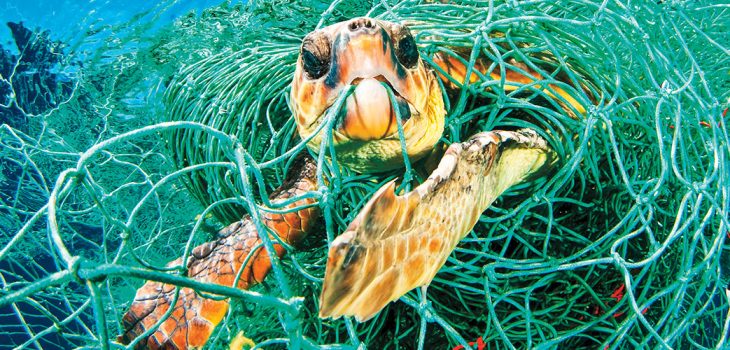
- Widespread pollution, with plastic choking our oceans and infiltrating even the most remote ecosystems
We are living in what scientists now call the Anthropocene — an age defined by the human footprint.
To prevent irreversible damage, we must urgently redefine our relationship with nature. Change begins with awareness, followed by action — personal and collective.
“The greatest threat to our planet is the belief that someone else will save it.”
— Robert Swan
Let us not wait for others. The future of our planet is in our hands.
— Norman Stankewitz
Founder, Sunsai Nature
Sunsai Nature: Plastic Pollution Fast Facts
- If trends continue, plastic waste will outweigh fish in the ocean by 2050.
- Over 8.3 billion metric tons of plastic have been produced since the 1950s.
- 91% of all plastic ever made is still on Earth in some form.
- Just 10 rivers carry over 90% of the plastic entering our oceans.
- 1.1 million seabirds and marine animals die every year due to plastic pollution.
- The Great Pacific Garbage Patch is now larger than Peru.
- 1 million plastic bottles are bought every minute.
- Nearly 2 million plastic bags are used worldwide every minute.
- In the U.S. alone, 500 million plastic straws are used daily.
- The average person ingests around 70,000 microplastics annually.
