

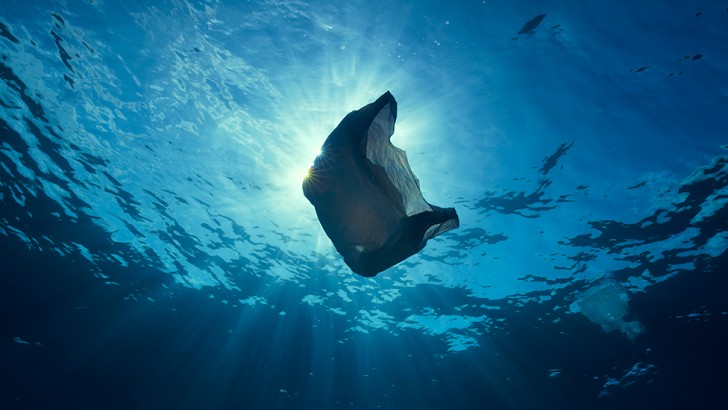

“Biodegradable” sounds good — but when it comes to plastic, the truth is much messier.
Biodegradable means that a substance can be broken down by living organisms. But traditional plastic is a completely synthetic material — and not naturally biodegradable.
Yet somehow, “biodegradable plastic” has entered the conversation. So… what’s really going on?
What Plastic Really Is
Plastic is one of the most versatile materials ever created. It’s in nearly every aspect of modern life — especially in the tourism and hospitality industry. But here’s the problem: plastics are not natural.
For example, most plastic bottles are made of polyethylene terephthalate (PET). These bottles are designed for single use — but it takes hundreds of years for them to degrade.
Note: That’s degrade, not biodegrade. Bacteria don’t digest plastic. Instead, it breaks down from UV radiation and friction into smaller and smaller pieces — eventually becoming microplastics. These fragments remain in the environment, potentially forever.
So What Is “Biodegradable Plastic”?
To tackle the growing pollution problem, the plastic industry introduced the idea of “biodegradable plastics.” But this term is vague, confusing, and often misleading.
There are two main types:
- Oxo-degradable / photodegradable plastics
These use oxygen, light, heat, and moisture to break down faster — but they often leave toxic residue and still release methane in landfills. - Bioplastics (PLA)
Often made from corn starch, this plastic (polylactic acid or PLA) requires high heat (above 80°C) and special bacteria to break down. This only happens in industrial composting facilities — of which there are very few worldwide.
-> In a regular landfill, these so-called biodegradable plastics won’t break down any better than regular plastic.
A study by Michigan State University found no difference in degradation between plastics with additives and conventional plastics in real-world conditions.
What Does “Biodegradable” Actually Mean?
According to the International Union of Pure and Applied Chemistry, there are three stages:
- Primary – Altering the chemical properties of the material.
- Environmentally Acceptable – Reducing environmental harm.
- Ultimate – Complete breakdown into water, CO₂, methane, or other simple compounds.
Ironically, some of the byproducts of this breakdown process can be more harmful than plastic itself.
So What Can You Do?
Let’s be clear: Plastic is not going away overnight. But not all single-use items are bad — as long as they are truly compostable or recyclable.
Here’s what we recommend:
- Use plant- or fiber-based containers (e.g. bagasse).
- Switch to paper straws instead of plastic ones.
- Say no to single-use hotel amenities unless they are biodegradable & compostable.
- Choose reusable options wherever possible.
- Be honest and transparent with your guests about your efforts.
Final Thought
The term “biodegradable plastic” might sound promising, but the science and real-world evidence show a different picture.
The best path forward?
Reduce, Reuse, Recycle. And most importantly — Rethink.
Original script adapted from Trace Dominguez
Edited & republished by Norman Stankewitz, Sunsai Nature

vardenafil results
vardenafil results
doxycycline monohydrate for acne reddit
doxycycline monohydrate for acne reddit
flagyl infusion rate
flagyl infusion rate
zeelab minoxidil review
zeelab minoxidil review
bupropion 150mg xl
bupropion 150mg xl
terbinafine action pathway
terbinafine action pathway
minoxidil 12‑month timeline
minoxidil 12‑month timeline
avoid counterfeit sildenafil
avoid counterfeit sildenafil
vardenafil food interaction summary
vardenafil food interaction summary
Understanding Onset With Food
Understanding Onset With Food
sildenafil compared with tadalafil
sildenafil compared with tadalafil
sildenafil clinical overview
sildenafil clinical overview